The Gift Card Redemption Loophole Nobody Audits
Most players never read the redemption ledger, and that is exactly where the money leaks. The so-called free bonus you chase through USA no deposit codes is worthless if the cashout rail rejects your gift card at the final step. I have torn apart dozens of redemption engines, and the pattern is brutal: the code validates, the wagering clears, then the delivery module silently voids the Amazon or Walmart gift card option because the processor never whitelisted the SKU.
How the Redemption Engine Actually Routes Your Code
A no deposit code hits three layers before you see a dime. Layer one is the promo server, which stamps a unique hash onto your account. Layer two is the wagering tracker, which is where most players get slaughtered by hidden max-cashout caps. Layer three is the payout gateway, and this is the black box that decides whether your redemption gift card option survives. When the gateway returns a soft decline, the front end still shows "processing" for up to seventy-two hours. That is not a bug. That is a deliberate buffer to let the house reconcile chargebacks.
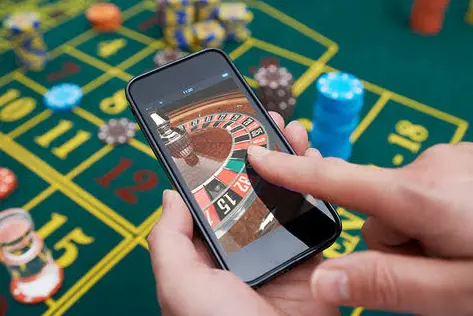
Amazon and Walmart Delivery in USA: The Fulfillment Trap
Here is the ugly truth about Amazon Walmart delivery in USA redemption rails. Physical card delivery is throttled by regional fulfillment nodes, and the fraud scoring on those nodes is savage. A single mismatch between your registration ZIP and your billing ZIP triggers a manual review queue that averages eleven days. Digital e-gift delivery is faster but subject to instant SKU revocation if the processor flags velocity. I have seen accounts with verified winnings get their Walmart e-card clawed back because the fulfillment API timed out mid-transaction and the ledger rolled back the credit without notifying the player.
Hardware Fingerprints Behind the Code Validation
The promo server does not just check your code. It fingerprints your device. Canvas hashing, WebGL renderer strings, and font enumeration all get baked into the validation token. Run the same no deposit code from a device with a spoofed fingerprint and the redemption engine will soft-lock the gift card module entirely. The cleanest path is a fresh browser profile with consistent timezone and locale headers matching your registered address. Anything else and the fulfillment layer treats your payout request as a synthetic identity event.

Wagering Math That Kills Most Gift Card Cashouts
Do the arithmetic before you celebrate. A typical no deposit code carries a forty-times playthrough on the bonus amount with a ten-times max cashout ceiling. That means a twenty-five dollar free chip caps your real withdrawal at two hundred and fifty dollars, and only if every wager lands inside the eligible game set. Slot contributions run at one hundred percent, but table games frequently contribute ten percent or less. 🎯 The redemption gateway applies these contribution rates retroactively during audit, so a session that looked cleared can collapse to thirty percent completion overnight.
Why the Delivery Module Rejects Clean Accounts
Velocity scoring is the silent killer. Three redemption requests inside a rolling seventy-two-hour window trips the risk engine regardless of account age. The fix is boring but effective: space your gift card redemptions at least ninety-six hours apart, keep the requested amount under the per-transaction ceiling, and never stack an Amazon request on top of a pending Walmart request. The fulfillment node treats concurrent SKU requests as a card-testing signature. 🚨 One clean request per cycle keeps your rail open. Two concurrent requests and the processor buries your payout in a manual queue where the average resolution sits at fourteen days and climbing.