The Anatomy of a USA Live Roulette Deepfake Dealer Scam
Real-time generative overlays are now cheap enough to hijack an entire live dealer feed, and the fake studio operations targeting US players are running them with terrifying precision. The core mechanism is brutally simple: a pre-recorded or algorithmically driven video layer of a "dealer" is stitched onto a live roulette table feed using low-latency face-swap inference, then streamed through a CDN that masks the true origin server. What you think is a human spinning a wheel in a regulated jurisdiction is often a deepfake dealer rendered frame-by-frame on a GPU box sitting in a jurisdiction nobody audited. 🎯
Why the Fake Studio Warning Keeps Getting Ignored
The warning signs are always there, but players chase the bonus and skip the forensics. A genuine live studio has deterministic camera angles, consistent lighting temperature, and physical ball physics you can timestamp. A fake studio leaks artifacts: micro-flickers at the dealer's jawline during fast speech, pupil reflections that don't match the studio light rig, and a ball that lands with suspiciously identical deceleration curves across hundreds of spins. I have torn apart stream captures where the roulette wheel's reflection showed a completely different room than the dealer's background. That is not a compression glitch. That is a composited scene. 🔍
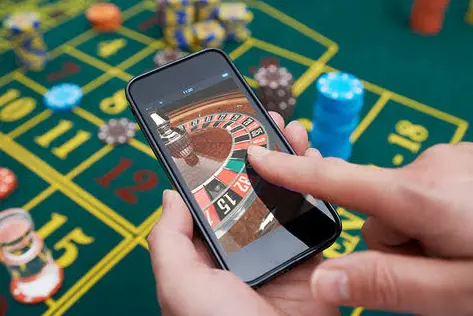
The Latency Fingerprint That Exposes a Deepfake Dealer
Here is the technical tell most auditors miss: measure the round-trip between your bet confirmation and the visual ball drop. Legitimate live feeds sync within a tight, measurable window tied to the physical table's sensor array. Deepfake setups inject an inference buffer, typically 180 to 420 milliseconds of added jitter, because the swap model needs frames before it can render them. When that jitter becomes inconsistent—spiking every time the dealer turns their head—you are watching a fake studio warning written in raw packet data. The house edge is not the only thing rigged; the entire visual reality is. 💀
Server Provenance and the CDN Laundering Trick
Fake operators launder their location through edge networks so the player never sees the true host. Pull the WebRTC stats or inspect the HLS manifest chain and you will find origin clusters that resolve to consumer-grade ISP blocks, not hardened casino data centers. A real live roulette studio runs redundant fiber, dedicated HVAC, and a physical security perimeter. A deepfake farm runs on a rack of consumer GPUs and a single upstream provider. The USA live roulette label stamped on the lobby means nothing if the video origin geo-resolves to a residential subnet. 🛰️
Frame-Level Audit Tactics You Can Run Yourself
Capture the stream, extract frames at 60fps, and run a temporal consistency check on the dealer's face region. Deepfake models leave periodic identity drift—subtle geometry shifts every few hundred frames as the latent space re-anchors. Stack that against the roulette ball's motion vector and you will catch compositing seams where the rendered dealer layer meets the physical wheel footage. I have flagged operations where the dealer's shadow fell at an angle physically impossible given the wheel's lighting. That single inconsistency collapsed the entire illusion. ⚙️
The Financial Endgame Behind the Fake Feed
Once the visual layer is controlled, the outcome layer is trivial to manipulate. A deepfake dealer scam does not even need to rig the RNG if the operator controls when the stream "buffers" during high-stakes spins or forces a re-render that resets the visible ball position. The fake studio warning exists because the fraud is architectural, not incidental. Players see a polished table, a smiling dealer, and a wheel that never quite behaves like physics demands. Trust the frame data, not the lobby banner, because the GPU rendering your dealer is also rendering your loss.